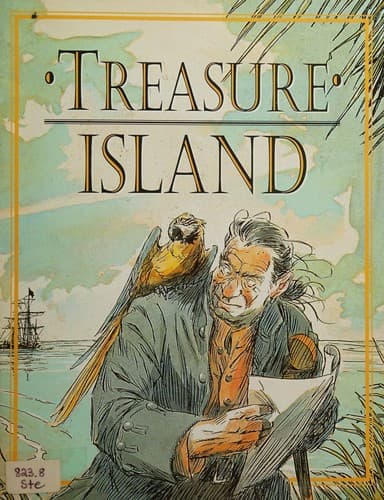
Treasure Island (1883)
About This Book
A boy discovers a pirate's treasure map tucked inside a dead sailor's sea chest, and before he knows it, he's aboard a ship full of scheming cutthroats sailing for a distant island. The tension ratchets up with every chapter as alliances shift and betrayals lurk around every corner. This is the book that makes you want to unfold a map, grab a compass, and set sail.
Why It's a Classic
Robert Louis Stevenson essentially invented the pirate adventure as we know it. Long John Silver is one of fiction's great villains precisely because he's so likable; he's charming, clever, and genuinely fond of young Jim Hawkins, which makes his treachery feel personal rather than cartoonish. Stevenson wrote the novel at a breakneck pace, originally serializing it in a children's magazine, and that urgency shows in the plotting. Every chapter ends on a hook that pulls you forward. The book also pioneered the idea of a child narrator thrust into a dangerous adult world, a template that adventure fiction has followed ever since. Nearly 150 years later, every pirate story exists in its shadow.
Fun Fact
Stevenson drew the map of Treasure Island first and then wrote the entire novel around it, calling the map the chief part of the plot. He originally titled the story "The Sea Cook" because Long John Silver was the character he cared about most. The manuscript was begun as entertainment for Stevenson's stepson Lloyd during a rainy Scottish holiday.
Parent Note
The violence is real but not graphic; pirates threaten and fight with cutlasses, and several characters die. The language is old-fashioned, so younger kids may need help with vocabulary. Most children around ages 9 and up handle it well, and it's a fantastic read-aloud choice for families.
Quick Facts
- Year
- 1883
- Type
- 📚 Book
- Category
- Adventure
- Age Group
- Kids (Ages 7–10)