El Deafo (2014)
About This Book
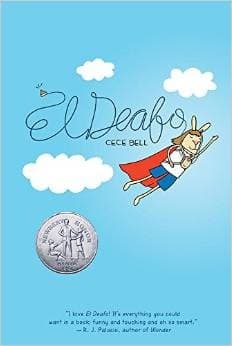
Cece loses most of her hearing at age four and starts school wearing a bulky hearing aid called a Phonic Ear, which she reimagines as a superpower that lets her hear things no one else can, like her teacher's voice from anywhere in the building. Bell draws all the characters as rabbits, which adds a layer of warmth and gentle humor to a story about feeling different and wanting desperately to belong. The book is funny, honest, and entirely free of self-pity.
Why It's a Classic
Cece Bell transformed her childhood experience of hearing loss into a graphic memoir that is simultaneously specific to her disability and universal in its portrayal of the longing to fit in. The decision to draw characters as rabbits was inspired: the long ears become a visual metaphor for Cece's constant awareness of sound and silence, and the animal characters allow readers to focus on emotions rather than getting distracted by realistic depictions of disability aids. Bell's Phonic Ear really did allow her to hear her teacher from anywhere in the school, including the bathroom, which becomes one of the book's funniest and most humanizing running jokes. The Newbery Honor recognized a book that treats disability with neither pity nor false inspiration, simply as one part of a complicated, funny, fully realized life.
Fun Fact
Bell's Phonic Ear technology was real 1970s-era equipment that transmitted the teacher's voice via FM radio directly to her hearing aid, meaning she could genuinely hear her teacher's private conversations from across the building. Bell married author Tom Angleberger, who wrote the Origami Yoda series, making them one of children's literature's most accomplished couples. She spent five years working on the book, partly because drawing her own childhood experiences was more emotionally demanding than she expected.
Parent Note
The book portrays the social isolation and occasional unkindness that come with being visibly different, which resonates with readers whether or not they have a disability. Cece experiences loneliness and frustration that are depicted honestly. The overall tone is warm and empowering, ending with Cece's acceptance of herself.
Quick Facts
- Year
- 2014
- Type
- 📚 Book
- Category
- Graphic Novels / Comics
- Age Group
- Tweens (Ages 11–13)