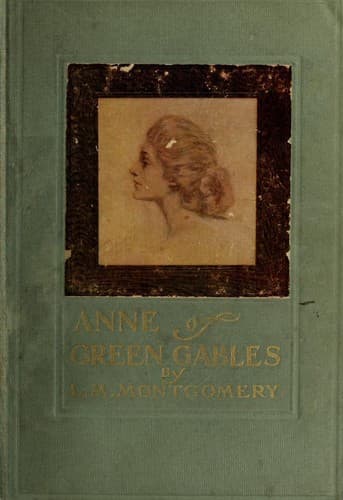
Anne of Green Gables (1908)
About This Book
Marilla and Matthew Cuthbert of Green Gables send for an orphan boy to help on the farm but receive instead Anne Shirley, a red-haired, wildly imaginative girl who talks too much, gets into spectacular scrapes, and transforms the quiet lives of everyone around her with her fierce appetite for beauty and belonging. Anne names every tree and pond, dyes her hair green by accident, and turns a walk to school into an epic quest. She is one of the most alive characters in all of fiction.
Why It's a Classic
L.M. Montgomery created in Anne a character who is simultaneously completely unique and universally recognizable. Anne's hunger for love and her terror of being sent back to the orphanage give the comedy real emotional stakes, grounding her extravagance in genuine need. Montgomery's descriptions of Prince Edward Island are so lush and specific that they have turned the real island into a literary pilgrimage site. The relationship between Anne and the taciturn, gruff Marilla is the book's greatest achievement, a slow warming that is all the more powerful for being understated; Marilla never becomes sentimental, and Anne never stops being difficult, and their love grows in the space between those two stubbornnesses. The book has been translated into more than 36 languages and remains one of the most beloved novels in Canadian and world literature.
Fun Fact
Montgomery based Anne partly on herself and partly on a newspaper clipping about an orphan who was sent to a couple expecting a boy. Mark Twain wrote Montgomery a fan letter calling Anne "the dearest and most lovable child in fiction since the immortal Alice." The book has inspired a major tourism industry on Prince Edward Island, with over 125,000 visitors a year coming to see the sites that inspired Green Gables.
Parent Note
Anne is an orphan who experienced neglect and instability before arriving at Green Gables, and her early life is described in terms that are honest without being graphic. The book is long and the prose style is descriptive and Victorian, which suits patient readers. Best for ages 9 and up, and it remains a wonderful book for parents and children to read together.
Quick Facts
- Year
- 1908
- Type
- 📚 Book
- Category
- Classics / Literature
- Age Group
- Kids (Ages 7–10)